

How Lithuania Work Visa Processing Becomes Simple for Applicants in Qatar

Finding international work opportunities has become a big goal for many professionals in Qatar. But when it comes to actually applying for a European work visa, things often feel complicated, from the paperwork to embassy appointments and endless waiting. Lithuania, however, is emerging as a practical and rewarding destination for skilled workers, especially from the Gulf region. The challenge is not about eligibility; it’s about understanding how to get the visa without unnecessary confusion or delay.

Let’s break down what makes the Lithuania work permit appealing, what the process looks like, and how it can be simplified for applicants in Qatar.

Why Lithuania is Attracting Workers from Qatar

Lithuania might not be the first European country that comes to mind, but it’s quickly becoming a hidden gem for overseas job seekers. The country has a growing demand for workers in logistics, construction, agriculture, hospitality, and manufacturing. Its economy is expanding, and there’s a steady shortage of labor in many sectors, which opens doors for international applicants.

For people in Qatar, Lithuania offers several advantages:

  • Accessible Entry Point to the EU: Lithuania is part of the Schengen Zone, meaning once you’re there legally, you can travel freely across many European countries.
  • Work Opportunities with Fewer Barriers: Compared to countries like Germany or France, Lithuania’s visa and job market processes are more straightforward.
  • Lower Living Costs: While it’s in the EU, living expenses are far more affordable than in Western Europe, making it easier to settle in and save money.
  • Cultural Compatibility: Lithuanians are known for being welcoming, and English is widely spoken, especially in workplaces and urban areas.

So, for those in Qatar aiming to start a new chapter in Europe, Lithuania is a smart, realistic choice, not just a dream.

Understanding the Lithuania Work Visa Process

Before talking about how to simplify it, it’s worth understanding what the process typically involves.

  1. Job Offer and Employment Contract
    You can’t apply for a work visa without first having a job offer. Lithuanian employers must issue a contract confirming your role, salary, and duration of employment.
  2. Work Permit Application
    The employer applies for a work permit on your behalf in Lithuania. Once approved, you’ll receive the necessary documents to proceed with your visa.
  3. Visa Application Submission
    With your permit and employment contract ready, you’ll apply for a national visa (D-type visa) through the Lithuanian embassy or authorized center in Qatar.
  4. Biometrics and Documentation
    You’ll need to provide your biometrics, passport, photos, educational certificates, and proof of accommodation, among other documents.
  5. Approval and Travel
    Once the visa is approved, you can enter Lithuania, begin working, and later apply for a residence permit if your job is long-term.

That’s the general path. Sounds manageable, right? The reality, though, is that every step comes with its own set of challenges.

The Real Challenges for Qatar-Based Applicants

Even when the process looks simple on paper, applicants often face difficulties that slow everything down.

  • Confusing Documentation: Many first-time applicants struggle to understand what exactly needs to be translated, notarized, or legalized.
  • Unclear Timelines: Processing times can vary based on your employer, embassy load, and how complete your documents are.
  • Limited Embassy Appointments: The Lithuanian embassy in Qatar serves a large number of applicants, so scheduling an appointment can sometimes take weeks.
  • Language Barriers: Some forms and official letters are in Lithuanian, which adds another layer of confusion for non-native speakers.
  • Unverified Job Offers: Scams and fake employment offers occasionally circulate online, causing applicants to lose time and money.

When you add it all up, the process can become stressful if you’re managing it alone. That’s where professional guidance makes a big difference.

What Simplifies the Process for Qatar Residents

Getting a Lithuania work visa doesn’t have to be a long, complicated struggle. The key is proper preparation and having someone experienced handle the parts that often go wrong.

Here’s what genuinely simplifies the process:

1. Accurate Documentation from Day One

Most delays happen because of incomplete or inconsistent paperwork. If your documents are checked and verified before submission, your chances of rejection drop significantly. Having someone ensure that your educational certificates, employment records, and identification documents meet Lithuania’s requirements saves weeks of back-and-forth.

2. Verified Employers and Authentic Job Offers

Connecting with genuine Lithuanian employers is often the toughest part. Verified recruitment partners or agencies can match you with legally registered companies that genuinely need workers, eliminating the risk of fraud.

3. Embassy Coordination

A lot of applicants lose momentum while waiting for embassy slots or missing small but crucial appointment steps. Guided coordination ensures you’re booked on time, with the right set of documents ready when you appear for biometrics.

4. Translation and Legalization Support

Official documents often need to be translated into Lithuanian and certified. Having professionals handle this step avoids rejections or delays caused by formatting or certification errors.

5. Transparent Updates and Follow-Ups

Once you apply, you’ll want to know what’s happening with your file. Constant updates, reminders, and clear tracking make a stressful process feel manageable and predictable.

Why Lithuania’s Work Visa is a Strong Career Move

While the process is procedural, the outcome can be life-changing. Lithuania is part of a growing European region that values foreign talent. Workers from Qatar who move there often find long-term career growth, opportunities for family relocation, and the ability to explore the rest of Europe freely.

In addition, Lithuania’s work environment is known for being inclusive and progressive. Whether you’re working in logistics, hospitality, agriculture, or manufacturing, the focus is on stability and fair pay rather than short-term labor. For many, this becomes a stepping stone to permanent residency or citizenship down the line.

So, if you’re in Qatar and considering working in Europe, Lithuania is not a second option, it’s one of the smartest and fastest-developing destinations available today.

The Smart Way to Get Started

Before jumping into applications, start by checking your eligibility and preparing your documentation. Make sure your passport has enough validity, your employment history is updated, and your educational certificates are accessible for verification.

From there, you can explore job options, confirm which roles are open for international hiring, and proceed with your work permit process through legitimate channels. It’s not about speed alone, it’s about doing it right the first time.

Final Thoughts

Applying for a Lithuania work visa from Qatar doesn’t have to be complicated. With the right support, the process becomes straightforward, transparent, and achievable. The goal isn’t just to reach Europe, it’s to build a sustainable future there with legal, verified opportunities.

If you want a guided path that takes care of every step, from job matching to document processing and embassy coordination, Avian Global helps make the Lithuania work visa journey clear, secure, and stress-free for applicants in Qatar.

Avoid These Mistakes When Applying for a Poland Work Visa from Qatar

Moving abroad for work is a life-changing decision. Poland, with its growing economy and expanding job opportunities, is attracting professionals from all over the world, including Qatar. But before you pack your bags, it’s crucial to understand the process of obtaining a Poland work visa. Many applicants make avoidable mistakes that can delay approval or even lead to rejection. If you want a smooth visa process, here’s what you need to avoid.

1. Submitting Incomplete Documentation

One of the most common mistakes applicants make is submitting incomplete documentation. Polish authorities require a range of documents, including your employment contract, passport, completed visa application form, proof of qualifications, and sometimes evidence of financial stability. Missing even a single document can result in delays or outright rejection.

The key here is to double-check the visa requirements from the official consulate or embassy website before submitting your application. Keep a checklist and verify each item. Remember, consistency is crucial—your documents should match the information on your application form.

2. Providing Incorrect or Inconsistent Information

It might sound obvious, but discrepancies in your application are a major red flag. Mismatched names, dates, or details in your passport, employment contract, or application form can cause significant delays.

For example, if your name on the employment contract differs slightly from your passport, or if your job title is inconsistent with your professional qualifications, the consulate might request clarification or reject your application outright. Accuracy and honesty are non-negotiable in visa applications.

3. Ignoring Polish Language Requirements

While most employers in Poland communicate in English, some official forms and processes may require basic Polish understanding, particularly for legal documentation. Assuming that everything will be handled in English can lead to errors in submission.

Even if a translator is used, make sure that all translations are certified. Inaccurate translations can lead to misunderstandings or delays, and in some cases, the application might be returned for corrections.

4. Underestimating Processing Time

Visa processing is not instantaneous. Many applicants from Qatar underestimate how long it will take for their Poland work visa to be approved. Rushed applications often lead to mistakes in filling forms or missing documents.

Typically, the processing time ranges from a few weeks to a couple of months, depending on the type of visa and workload at the consulate. Start your application well in advance of your intended departure date to avoid last-minute stress.

5. Forgetting to Check Work Permit Requirements

A Poland work visa is usually tied to a work permit. Many applicants assume that securing a visa alone is enough to legally work in Poland. This is incorrect. The work permit is an essential requirement, and your employer usually needs to apply for it on your behalf.

Before applying for the visa, confirm that your employer has successfully obtained the work permit. Without it, your visa application may be rejected, and even if it’s approved, you might face issues upon arrival.

6. Neglecting Health Insurance Requirements

Poland requires visa applicants to have valid health insurance for the duration of their stay. Some applicants assume that their Qatari insurance will be automatically recognized, which is not the case.

Ensure your insurance covers medical emergencies, hospitalization, and repatriation. Lack of proper health coverage can result in visa denial. It’s better to get this sorted early and keep all documents handy for submission.

7. Overlooking Financial Proof

Visa authorities want to ensure you can support yourself during your stay in Poland. Many applicants make the mistake of underestimating the importance of financial proof. Bank statements, salary slips, or sponsor letters are often required.

Insufficient funds or inability to demonstrate financial stability can delay or jeopardize your visa application. Always prepare more than the minimum requirement to avoid complications.

8. Failing to Follow Embassy Guidelines

Every Polish embassy or consulate may have specific guidelines for visa applications from Qatar. Some applicants ignore these guidelines, thinking that general information online is sufficient.

Always follow the instructions provided on the official consulate website. This includes appointment scheduling, document submission format, and payment procedures. Ignoring these steps can result in wasted time or an application that isn’t accepted.

9. Not Preparing for the Interview

Some work visa applications require an in-person or virtual interview. Applicants often underestimate the importance of this step. Being unprepared for questions about your job, employer, or purpose of stay can create doubts in the mind of the visa officer.

Practice answering questions clearly and confidently. Make sure you can explain why you want to work in Poland and how your role aligns with your skills and qualifications. This shows professionalism and increases your chances of approval.

10. Using Unauthorized Agencies

Finally, while it’s tempting to hire agencies to handle your visa process, not all agencies are reliable. Some may provide incorrect guidance or even submit fraudulent documents, which can harm your chances permanently.

If you seek assistance, verify the agency’s credentials and reputation. For example, Avian Global is one company that has a proven track record helping professionals from Qatar navigate work visa applications successfully. Relying on trustworthy sources can save you from unnecessary pitfalls.

Final Thoughts

Applying for a Poland work visa from Qatar can feel overwhelming, but most mistakes are avoidable with proper preparation. Double-check your documents, be honest and consistent, plan for processing time, and ensure all legal and financial requirements are met.

What this really comes down to is diligence and attention to detail. Your application represents not just your qualifications but your professionalism and readiness to work abroad. Avoiding these common mistakes will significantly increase your chances of a smooth, stress-free visa approval process.

A successful work visa opens doors to professional growth, cultural experiences, and a chance to contribute to Poland’s dynamic economy. Taking the time to get it right from the start will make your transition seamless and set the tone for a positive experience abroad.

Planning a Trip to Australia? Here’s Everything You Need to Know About the Tourist Visa

Australia has always been one of those destinations that feels larger than life. From the beaches of the Gold Coast to the wilderness of the Outback, from the laid-back streets of Melbourne to the coral gardens of the Great Barrier Reef, every corner of this country feels like it belongs on a postcard. But before you start daydreaming about kangaroos, coffee, and coastal drives, there’s one thing you need to sort out first: your tourist visa.

Let’s break down everything you need to know before you apply, so you can plan your trip with confidence and avoid unnecessary headaches later.

1. Understanding the Australia Tourist Visa

Australia offers several types of visas, but for travelers visiting for leisure, sightseeing, or visiting friends and family, the Visitor Visa (Subclass 600) is the most common option.

This visa allows you to:

  • Visit Australia Tourist Visa or recreation.
  • See family or friends living there.
  • Study for up to 3 months (non-work related).

Depending on your situation, the visa can be granted for a stay of 3, 6, or 12 months, and you can apply either outside or inside Australia.

2. Types of Visitor Visas You Should Know

Here’s a quick overview of the main types:

a) Tourist Stream (Outside Australia)
This is the standard option if you’re applying from your home country. Perfect for holidays, family visits, or short leisure trips.

b) Tourist Stream (Inside Australia)
If you’re already in Australia on another visa and want to extend your stay, you can apply for this version without leaving the country.

c) Sponsored Family Stream
If you have family members who are Australian citizens or permanent residents, they can sponsor your visit. The Department of Home Affairs may ask your sponsor for a bond to support your stay.

d) Business Visitor Stream
If your trip involves short business activities like attending meetings, conferences, or negotiations, but not working, you can apply under this stream.

3. Eligibility Criteria

Before applying, make sure you meet the following requirements:

  • Purpose of visit: You must genuinely intend to visit temporarily for tourism or family purposes.
  • Financial capacity: You should have enough funds to cover your travel, accommodation, and living expenses during your stay.
  • Health and character: You may be asked to undergo a health examination or provide a police clearance certificate.
  • No work condition: The visa strictly prohibits you from taking up employment in Australia.

The Australian government is very particular about ensuring applicants are genuine visitors. Submitting clear documents and an honest application goes a long way.

4. Documents You’ll Need

The visa process is fairly straightforward if your paperwork is in order. Here’s a checklist to guide you:

  • A valid passport with at least six months of validity.
  • Recent passport-size photos (per Australian standards).
  • Proof of funds, like bank statements or payslips.
  • Travel itinerary, including flight bookings and accommodation details.
  • Cover letter explaining the purpose and duration of your visit.
  • Employment details or a letter from your employer confirming leave.
  • Invitation letter, if visiting family or friends.
  • Health insurance, which is strongly recommended for all visitors.

Always double-check document requirements on the Department of Home Affairs website before submitting your application. Requirements can vary slightly based on your country of origin.

5. Application Process: Step by Step

Here’s what the application journey looks like:

Step 1: Gather Your Documents
Make sure all your paperwork is ready and in digital format, as most applications are done online.

Step 2: Create an ImmiAccount
Visit the official Australian immigration website and create an ImmiAccount. This is your online portal to apply, upload documents, and track the progress of your visa.

Step 3: Complete the Application Form
Fill in accurate details, personal information, travel plans, and financial background. Small errors can delay processing, so take your time.

Step 4: Pay the Visa Fee
The cost of the Visitor Visa (subclass 600) generally starts from AUD 190, but it may vary depending on the stream and duration. Payment is made online via your ImmiAccount.

Step 5: Submit Biometrics or Attend an Interview (If Required)
In some cases, applicants are asked to visit a Visa Application Centre to provide fingerprints or photographs.

Step 6: Wait for Processing
Processing time can vary. On average, most tourist visas are processed within 20 to 45 days, but factors like high demand or incomplete documentation can extend this.

Step 7: Receive Your Visa Decision
You’ll get an email notification once your visa is approved. The visa details are electronically linked to your passport, so you won’t need a physical stamp.

6. How Long Can You Stay in Australia?

Typically, the tourist visa allows you to stay up to 3, 6, or 12 months. The duration is decided by immigration officers based on your travel purpose and background.

It’s important to leave Australia before your visa expires, unless you’ve applied for an extension. Overstaying can affect future visa approvals.

7. Tips to Strengthen Your Application

If you want to improve your chances of approval, focus on the following:

  • Show strong ties to your home country: Provide evidence of employment, property, or family responsibilities that ensure your return.
  • Provide clear financial proof: Demonstrate that you can support yourself during your visit.
  • Avoid inconsistent information: Every detail, from travel history to job title, should match your supporting documents.
  • Get professional guidance: An expert visa consultant can help you prepare and submit your file correctly, reducing the risk of rejection.

8. Common Reasons for Visa Refusal

Australia’s visa system is transparent, but strict. Here are a few reasons why applications get rejected:

  • Incomplete or inaccurate documentation.
  • Insufficient proof of funds.
  • Lack of clarity about travel purpose.
  • Suspicion of overstaying or working illegally.
  • Inconsistent or false information.

A rejection doesn’t necessarily mean you can’t reapply, but it’s better to fix the issues before submitting again.

9. Travel Insurance: Don’t Skip It

Medical care in Australia is excellent, but expensive. A minor emergency can cost you thousands of dollars. Having travel insurance is not just about safety; it’s peace of mind. Choose a plan that covers medical emergencies, trip cancellations, and lost baggage.

10. Your Arrival in Australia

Once you land, Australian Border Force officers may ask a few questions about your visit. Be ready to show your return ticket, proof of accommodation, and financial means. Always answer honestly and confidently.

Remember, your visa is an entry permit, not a guarantee of entry, final approval happens at the border.

11. Final Thoughts

Planning a trip to Australia is exciting, but handling the visa process with care is what ensures your journey begins smoothly. Do your research, prepare your documents thoroughly, and apply well in advance of your intended travel date.

If you’d rather not navigate the process alone, Avian Global can assist with end-to-end visa support, from application to approval, so you can focus on planning your adventure instead of paperwork.

Australia isn’t just another travel destination. It’s a mix of vibrant cities, wild coastlines, and endless opportunities for exploration. Get your visa sorted, pack your bags, and get ready to experience one of the most beautiful countries on Earth.

Common Mistakes People Make in Europe Visa Applications (and How to Avoid Them)

Applying for a Europe visa can feel like navigating a maze. Many hopeful travelers dream of exploring Europe’s rich history, thriving cities, and scenic landscapes, but the application process often turns that dream into a stressful ordeal. The truth is, most visa rejections are preventable. Understanding the common mistakes applicants make, and how to avoid them, can save you time, money, and disappointment.

1. Incomplete or Incorrect Documentation

One of the biggest reasons visas get rejected is incomplete or inaccurate documentation. Embassies require a strict set of documents to evaluate your application, from your passport and photographs to proof of accommodation, travel insurance, and financial stability.

Many applicants either submit outdated documents, forget attachments, or provide mismatched information. For instance, your employment certificate might show a different job title than your bank statement reflects, raising red flags for the visa officer.

How to Avoid It:

  • Double-check all required documents on the official embassy website.
  • Keep everything consistent, names, dates, and addresses must match across all forms.
  • Make copies and organize them clearly before submission.

2. Misunderstanding the Visa Type

Europe Tourist Visa, from short-term Schengen visas to long-term work or study visas. Applying for the wrong type can lead to automatic rejection, wasting your application fee and precious time.

For example, some travelers apply for a tourist visa while their intention is to study or work. Visa officers are trained to detect these inconsistencies, and they are strict about the purpose of your visit.

How to Avoid It:

  • Identify the exact visa category that matches your purpose.
  • Read all eligibility requirements thoroughly.
  • If unsure, consult a reliable visa consultancy, such as Avian Global, to confirm the right category before applying.

3. Weak Financial Evidence

Visa officers need to see that you can support yourself during your stay. Many applicants underestimate this requirement, submitting insufficient bank statements or vague proof of income.

The problem becomes more evident when travelers rely on informal funding sources, like money borrowed from friends or family without proper documentation. Even a stable financial history in your home country can be questioned if not presented correctly.

How to Avoid It:

  • Maintain a stable bank account with consistent deposits for at least three to six months.
  • Provide formal proof of income, such as salary slips, tax returns, or business statements.
  • Avoid last-minute large deposits, as sudden spikes can appear suspicious.

4. Poor Travel Itinerary

A vague or unrealistic travel plan can make a huge difference in how your application is perceived. Some travelers simply submit a general plan, like “I will visit Paris, Rome, and Berlin for two weeks,” without specifying dates, accommodations, or transport.

Visa officers look for detailed, credible plans that show you intend to return home after your visit. Ambiguity can make them doubt your intentions, leading to rejection.

How to Avoid It:

  • Prepare a day-by-day itinerary with confirmed hotels or hostels.
  • Include transportation plans, such as train or flight bookings.
  • Highlight ties to your home country, showing that you will return after the trip.

5. Overlooking Travel Insurance

Travel insurance is not just a formality; it’s a strict requirement for Schengen visas. Many applicants either forget to purchase it, buy policies with insufficient coverage, or submit expired documents.

A lack of valid insurance can halt the application process instantly. Officers want reassurance that you can handle emergencies abroad, from medical situations to unexpected travel interruptions.

How to Avoid It:

  • Purchase insurance that covers the entire duration of your trip.
  • Ensure coverage meets the minimum requirement set by the embassy.
  • Keep both digital and printed copies ready for submission.

6. Inconsistent or Misleading Personal Information

Even small inconsistencies can create doubts. Some applicants provide slightly different spellings of their name, varying birth dates, or mismatched addresses across documents. Others exaggerate their purpose or financial capacity.

Visa officers are trained to detect these discrepancies, and dishonesty can lead to immediate denial and even a ban on future applications.

How to Avoid It:

  • Review every document carefully for consistency.
  • Be honest about your purpose of travel, income, and employment.
  • When in doubt, correct errors before submission rather than trying to hide them.

7. Late Applications

Timing is critical. Applying too close to your planned travel date can backfire, as visa processing times vary depending on the embassy, season, and your nationality. Rushed applications are also more prone to mistakes.

How to Avoid It:

  • Apply at least 3–6 weeks in advance for short-term visas.
  • Check the embassy website for peak processing times or holidays.
  • Prepare documents well in advance, leaving room for corrections or additional requirements.

8. Ignoring Visa Interview Preparation

Some visa applications require interviews, and underestimating their importance is a common mistake. A nervous or unprepared applicant can give the wrong impression, even with perfect documentation.

How to Avoid It:

  • Practice answering common questions about your trip, ties to your home country, and financial stability.
  • Keep your answers honest and concise.
  • Carry all supporting documents neatly organized for quick reference.

9. Failing to Demonstrate Strong Ties to Your Home Country

Visa officers want to ensure that visitors will return home. Weak evidence of ties, like family, employment, or property, can signal a risk of overstaying. Many applicants focus solely on travel plans and financials, neglecting to demonstrate these connections.

How to Avoid It:

  • Include proof of ongoing employment or education.
  • Provide property ownership or rental agreements if available.
  • Highlight family responsibilities or commitments that require your return.

10. Relying Solely on Online Information

Finally, blindly relying on online forums or anecdotal advice can mislead applicants. Requirements vary by country, embassy, and sometimes even by the officer handling your case.

How to Avoid It:

  • Refer to official embassy websites for accurate information.
  • Cross-check any advice from online communities with official sources.
  • Seek professional guidance if needed; companies like Avian Global can provide verified advice and step-by-step support.

Conclusion

Europe visa applications can be intimidating, but most mistakes are preventable with careful planning, honesty, and attention to detail. From documenting finances to preparing for interviews, every step matters.

Here’s the thing: a successful visa application isn’t about luck, it’s about showing the embassy that your intentions are genuine, your plans are well thought out, and your ties to home are strong. Avoiding these common pitfalls drastically increases your chances of approval, saving you stress, time, and money.

Planning ahead, staying organized, and seeking expert guidance where necessary will make your Europe trip not just possible but smooth and enjoyable. The process may seem daunting at first, but with the right approach, you can turn your European travel dream into a reality.

Everything You Need to Know About the UK Self-Employed Program

For many skilled professionals around the world, the United Kingdom is more than just a destination; it’s a place to build a career, a stable future, and a better quality of life. But here’s the thing: not everyone fits into the traditional “9-to-5 job” mold. Some people thrive in self-employment, whether through trade, craft, small businesses, or freelancing. The UK Self-Employed Program is designed exactly for them.

If you’ve been hearing about this program and wondering whether it’s right for you, this guide breaks it down in simple terms. From eligibility to benefits, to why so many people are considering it in 2025, you’ll find everything you need to know here.

What Is the UK Self-Employed Program?

The UK Self-Employed Program is an immigration pathway that allows foreign nationals to move to the UK and legally work for themselves. Unlike traditional employment visas, this program doesn’t tie you to a specific company or employer. Instead, it gives you the freedom to earn a living independently, whether as a tradesperson, contractor, artist, small-scale business owner, or freelancer.

It’s particularly appealing to people who are skilled in fields such as construction, hospitality, cleaning, food services, caregiving, and other hands-on jobs where self-employment is common. But it’s not limited to those industries alone, anyone with a viable way to sustain themselves through independent work can benefit.

Why Is the UK Offering This Program?

The UK, like many countries, is facing a shortage of skilled and semi-skilled workers. From carpenters to cleaners, butchers to beauticians, there is a growing demand for hands-on labor and essential services. Instead of relying only on traditional job contracts, the government recognizes that many professionals operate independently in their home countries and want the same opportunity abroad.

This program solves two problems at once:

  1. It fills labor gaps in the UK economy.
  2. It provides motivated individuals a legal and structured way to migrate.

In short, it’s a win-win.

Key Benefits of the UK Self-Employed Program

Here’s what makes this pathway so attractive for thousands of applicants worldwide:

  • Freedom to Work for Yourself – You don’t need a fixed employer. You choose your projects, clients, or contracts.
  • Legal Stay in the UK – You get proper residency documentation and the right to work without restriction.
  • Access to Schengen Travel (with TRC Card) – Many applicants receive a TRC card, which allows easy travel across the Schengen area.
  • Family Sponsorship – You can bring your spouse and children, and in many cases, they also get access to education and healthcare.
  • Healthcare and Insurance – The UK’s health system is among the best in the world, and your legal stay gives you access to it.
  • Pathway to Permanent Residency (PR) and Citizenship – Over time, your legal status can lead to long-term residency rights and eventually British citizenship.

What this really means is that the program isn’t just about short-term work, it’s a door to building a new life.

Who Can Apply?

One of the biggest misconceptions is that this program is only for highly educated professionals. That’s not true. The UK Self-Employed Program welcomes skilled and semi-skilled workers across industries. You don’t need a fancy degree. What you need is the ability to prove that you can support yourself and that your skills are in demand.

Some examples of people who typically apply include:

  • Carpenters, electricians, and plumbers
  • Cleaners and domestic helpers
  • Hospitality workers such as chefs, cooks, and servers
  • Butchers and meat-processing workers
  • Drivers and delivery staff
  • Beauty professionals such as barbers, hairdressers, and nail technicians
  • Freelancers in services like photography, digital media, and design

If your skillset helps keep communities running, there’s a good chance you’re eligible.

The Application Process

At first glance, the process might feel complicated. That’s where experienced consultants like Avian Global come in. They specialize in guiding applicants through every stage so that paperwork, approvals, and documentation don’t become overwhelming.

Here’s a simplified version of what the process looks like:

  1. Eligibility Check – Confirm whether your skills and background match the program requirements.
  2. Documentation – Collect important documents such as passport, work experience proof, financial stability records, and more.
  3. Application Filing – Submit your application to the relevant authorities.
  4. Approval & Visa Issuance – Once approved, you’ll receive your visa or residence permit.
  5. Relocation Support – Upon arrival in the UK, you’ll need help settling down: opening a bank account, registering for healthcare, finding housing, and starting work.

A company like Avian Global doesn’t just help with the paperwork, they also assist with relocation and guidance on how to actually start your self-employed journey in the UK.

Common Questions About the Program

1. Do I need a job offer before applying?
No. That’s the biggest advantage of the self-employed route. You don’t need an employer sponsoring you.

2. Is English mandatory?
A basic understanding of English is recommended, since you’ll be working with clients and navigating daily life in the UK. But it doesn’t require you to be fluent or have advanced certifications in most cases.

3. How much money do I need to show?
Applicants typically need to show proof of financial stability, enough to support themselves until they start earning. The exact amount varies, but professional guidance helps clarify this.

4. Can I bring my family?
Yes. Spouses and children can usually be included, and they gain access to healthcare and education.

5. What if I want to switch to a full-time job later?
In many cases, self-employed visa holders can transition to other work visas or even permanent residency.

Why Work with Avian Global?

When it comes to immigration programs, details matter. A single missing document or a wrongly filled form can delay or even cancel an application. Avian Global has built its reputation on helping thousands of applicants successfully migrate through structured, step-by-step support.

What sets them apart is their human approach. Instead of treating immigration like a purely legal process, they understand the emotional side, leaving your home country, moving your family, and starting from scratch in a foreign land. Their role is not just paperwork but guidance, reassurance, and making the transition as smooth as possible.

Final Thoughts

The UK Self-Employed Program is more than just a work permit. It’s an opportunity for skilled individuals to shape their own futures in one of the world’s most dynamic economies. Whether you’re a tradesperson, a service provider, or an independent worker, the chance to move legally, earn independently, and bring your family along is life-changing.

Like any major move, success ultimately depends on preparation and guidance. That’s why partnering with trusted consultants such as Avian Global is one of the smartest steps you can take. With the right support, your journey from application to settling in the UK can be straightforward and rewarding.

If you’ve been thinking about leaping, now is the time. The demand is real, the opportunity is wide open, and the UK Self-Employed Program could be your pathway to a better tomorrow.

Why Choose a Kuwait Consultant for Your Albania Work Visa Process

When you’re planning to work abroad, every small decision matters. One of the biggest decisions you’ll face is whether to handle your visa process alone or to take professional help. Albania has become an emerging destination for workers seeking better opportunities, and Kuwait is home to a large community of expatriates who are looking to start fresh there. If you’re based in Kuwait and thinking about applying for an Albania Work Permit, working with a local consultant can make all the difference.

Let’s break down why choosing a Kuwait consultant for your Albania work visa process is not just a smart option but, in many cases, the safest and most effective route.

The Rising Interest in Albania Work Opportunities

Albania has been quietly climbing the list of destinations for job seekers. It offers stable economic growth, expanding industries, and increasing opportunities in fields such as construction, hospitality, manufacturing, and skilled trades. What appeals to many is not just the availability of jobs but also the fact that Albania is part of the European region, making it a gateway to further opportunities across Europe.

For workers in Kuwait, where expatriates already form a significant part of the labor force, Albania represents a chance to access stable employment, decent wages, and the potential for a European lifestyle. But before you can step into that opportunity, the first major hurdle is the visa process.

Why the Albania Work Visa Process Can Be Tricky

Every country has its own rules, and Albania is no exception. The process requires:

  • Collecting and preparing the right documents.
  • Meeting Albania’s specific requirements for work permits and residence applications.
  • Following strict timelines for submission.
  • Ensuring that no small error delays or rejects your application.

Even a minor mistake, like a missing document, an incorrectly filled form, or a translation error, can set you back by weeks or even months. For someone with a job offer in hand or urgent plans to move, these delays can be devastating.

This is where professional consultants based in Kuwait come in. They understand not just Albania’s visa rules but also the unique position of applicants in Kuwait.

The Benefits of Choosing a Consultant in Kuwait

1. Local Accessibility

Being able to walk into an office, ask questions, and get clear answers in person is a huge relief. A Kuwait-based consultant is right there in your city, making communication faster and easier. You don’t have to depend only on online forms or endless calls to overseas offices.

2. Knowledge of Both Sides

A Kuwait consultant isn’t just familiar with Albania’s visa process. They also understand the documentation and approvals required in Kuwait itself. From police clearances to medical checks, certain procedures need to be completed locally before your application can move forward. A consultant who knows how things work in Kuwait can guide you smoothly through both sides of the process.

3. Time-Saving Support

Let’s be honest, handling a visa application on your own is time-consuming. Between work, family, and daily responsibilities, most people don’t have the hours it takes to navigate embassy requirements. A consultant takes over the heavy lifting: checking documents, filling out forms, scheduling appointments, and tracking deadlines. That frees you up to focus on preparing for your new job and your move.

4. Reduced Risk of Mistakes

Visa rules are full of fine print. A consultant’s expertise reduces your risk of making costly mistakes. They know what documents need attestation, which translations are accepted, and how to structure your application so that it meets Albania’s standards. Their experience means fewer chances of rejection.

5. Personalized Guidance

No two applicants are exactly the same. Some people already have job offers; others are applying speculatively. Some need family visas along with their work permit, while others only want a short-term contract. A consultant in Kuwait can provide guidance tailored to your specific situation, rather than giving you a one-size-fits-all answer.

6. Support Beyond Paperwork

The best consultants don’t just process documents. They prepare you for the next steps: what to expect when you arrive in Albania, how to handle residence permits, and even what cultural differences to prepare for. This extra support can make your transition smoother and less stressful.

Why Not Go It Alone?

It’s tempting to think that applying directly to the embassy will save you money. On paper, yes, you can submit your application yourself. But consider the risks:

  • A rejected application means losing both time and money.
  • Without professional insight, you may not realize a document is missing until it’s too late.
  • Embassies rarely provide detailed guidance, leaving you to figure things out alone.

What starts as an attempt to save a small fee can end up costing you more in lost opportunities and repeated applications. In contrast, working with a consultant in Kuwait can give you peace of mind that your case is being handled correctly from the beginning.

A Realistic Pathway to Europe

For many workers, an Albania work visa is more than just a job opportunity. It’s the first step toward building a future in Europe. With its affordable cost of living, growing job market, and access to wider European connections, Albania offers a strong foundation for personal and professional growth.

Choosing the right consultant ensures that your pathway isn’t blocked by avoidable mistakes. It gives you the confidence that you are not navigating this complex process alone.

What to Look for in a Consultant

Not every consultant offers the same level of service. Before you decide, consider these points:

  • Experience: Do they have a track record with Albania visas specifically?
  • Transparency: Are their fees clear from the beginning?
  • Availability: Can you reach them easily when you need answers?
  • Reputation: Do other clients recommend their services?

Asking these questions helps you separate genuine consultants from those who overpromise but underdeliver.

The Human Side of the Journey

Moving abroad is not just about paperwork. It’s about leaving behind familiar surroundings, adapting to a new culture, and taking a bold step toward building your future. This process is emotional as much as it is administrative. Having a consultant in Kuwait who understands this human side, someone who listens, answers questions patiently, and reassures you when doubts arise, can be just as important as their technical expertise.

That human touch is what makes the journey less overwhelming. Instead of feeling like you’re battling the system alone, you have a partner guiding you through it.

Final Thoughts

Choosing a Kuwait consultant for your Albania work visa process is not just a convenience; it’s a strategy to protect your time, money, and peace of mind. Their local presence, dual knowledge of both Kuwait and Albania requirements, and personalized support make the entire process smoother and far less stressful.

If you’re serious about building a career in Albania and want a clear, reliable path to get there, professional guidance is your best ally. And when it comes to trusted support in Kuwait, many applicants have found their journey made easier with Avian Global.

Fast-Track Your Croatia Work Permit with Expert Consultants in Kuwait

If you’ve been thinking about working in Europe, Croatia has probably already crossed your radar. Nestled along the Adriatic Sea, it’s one of the fastest-growing hubs for skilled workers. The country’s booming tourism industry, expanding construction projects, and growing demand for technical professionals have made Croatia a top destination for workers from abroad. But like any international opportunity, getting there requires navigating one big step: securing your work permit.

Here’s the thing this process doesn’t have to be stressful or confusing. With the right guidance, you can avoid the delays and rejections that many applicants face. That’s where expert consultants in Kuwait come into the picture, helping you fast-track your Croatia work permit and set yourself on the path to a stable career.

Let’s break it down.

Why Croatia Is Becoming a Magnet for Foreign Workers

Croatia isn’t just another European country offering jobs. It’s part of the European Union, which means a work permit there can open doors across the Schengen Zone. That alone makes it a huge draw for workers who dream of building their future in Europe.

But beyond that, Croatia itself offers:

  • Diverse Job Opportunities: From construction and hospitality to technical fields like engineering and maintenance, industries across the board are hiring.
  • Competitive Salaries: While not the highest in Europe, wages in Croatia are solid, especially when paired with benefits like accommodation or healthcare support offered by many employers.
  • Strategic Location: Croatia is just a few hours away from countries like Italy, Austria, and Slovenia, giving you easy access to explore Europe.
  • Growing Economy: Since joining the EU, Croatia’s economy has steadily grown, opening more opportunities for both skilled and semi-skilled workers.

For many professionals in Kuwait expats and locals alike, Croatia is a chance to not just earn but to build long-term stability in Europe.

The Challenges of Applying on Your Own

Before you start imagining yourself walking through the historic streets of Dubrovnik or working at a busy project site in Zagreb, there’s reality to deal with: the paperwork.

Applying for a Croatia work permit isn’t as straightforward as it seems. Here are some common challenges applicants face:

  1. Complex Documentation: Employers in Croatia and authorities require very specific paperwork, often in a precise format. One missing stamp or mistranslation can delay your application by weeks or even months.
  2. Changing Regulations: Immigration laws in Europe are not static. Croatia updates its quotas and requirements every year, which makes it tough for individuals to keep up without professional help.
  3. Employer Verification: Sometimes, even if you secure a job offer, the employer needs to be registered and eligible to hire foreign workers. Checking this on your own is difficult.
  4. Time Pressure: Many applicants realize halfway through the process that deadlines are tight, and reapplying means losing valuable months.

All these hurdles explain why so many people in Kuwait turn to consultants to streamline the journey.

How Expert Consultants in Kuwait Make a Difference

A good consultant isn’t just a paperwork handler. They’re your guide, advisor, and safety net in the application process. Here’s what they bring to the table:

1. Step-by-Step Guidance

From the moment you walk into their office, consultants evaluate your profile, match your qualifications to the right Croatian job categories, and outline the process clearly. No guesswork, no confusion, just a roadmap.

2. Document Preparation

They help you gather, translate, and notarize all necessary documents. This may include your employment contract, passport copies, educational certificates, and medical insurance. Having someone double-check everything ensures your file is complete and error-free.

3. Legal Updates

Consultants stay up to date with Croatian labour laws and quotas. This means if rules change mid-application, you won’t be caught off guard.

4. Faster Approvals

Because consultants know how to present applications correctly the first time, the chances of rejection or delay drop significantly. This is the real “fast-track” advantage.

5. Employer Liaison

In many cases, consultants work directly with Croatian employers or agencies. They can connect you to verified opportunities, saving you from falling into fraudulent traps.

6. Stress-Free Experience

Let’s be honest handling visa paperwork while juggling work and family life in Kuwait can be overwhelming. Having experts manage the heavy lifting gives you peace of mind.

Real Benefits of Fast-Tracking Your Croatia Work Permit

When you work with professionals, you’re not just paying for a service you’re buying time, certainty, and security. Some real benefits include:

  • Quicker Relocation: Instead of waiting months, you could be packing your bags in a matter of weeks.
  • Better Job Matching: Consultants know what industries are actively hiring and can help you aim for the right positions.
  • Avoiding Pitfalls: No false promises, no hidden errors your chances of a smooth approval skyrocket.
  • Long-Term Planning: With your work permit in place, you can explore pathways to residency and even citizenship down the line.

For many workers, this is not just about one job. It’s about building a stable life for themselves and their families.

What to Look for in a Consultant

Not every consultant is the same. Before you choose who to trust, here’s what you should look for:

  • Proven Track Record: Ask about past cases they’ve handled for Croatia or other European countries.
  • Transparency: The right consultant will give you a clear breakdown of fees, timelines, and requirements upfront.
  • Strong Network: The best consultants often have ties with Croatian employers, making it easier to secure real opportunities.
  • Personalized Approach: You’re not just another file. Look for a consultant who takes time to understand your goals and tailors their advice.

The Human Side of Migration

It’s easy to think of work permits as just stamps and paperwork, but at the heart of it, this is about people. Every application represents someone’s dream, maybe it’s sending money back home, maybe it’s building a safer future for children, or maybe it’s the chance to explore life in Europe.

That’s why having someone guide you through the process matters. It’s not just about speed, it’s about feeling supported. When you know you’ve got professionals on your side, the stress lifts, and you can focus on preparing for the exciting changes ahead.

Final Thoughts

Croatia is opening its doors wider than ever to skilled and semi-skilled workers. For people in Kuwait, this is a golden chance to step into the European job market without the uncertainty that often comes with migration. The process can feel complicated, but with the right consultants, you can fast-track your work permit, skip the avoidable mistakes, and start your new chapter sooner than you think.

If you’re ready to make the move, don’t wait until the quotas fill or deadlines slip by. Get the right guidance, prepare your documents properly, and let experts walk you through every step. Your dream of working and living in Europe could be much closer than you imagine.

And when it comes to professional, reliable support for Croatia work permits in Kuwait, one name many workers trust is Avian Global.

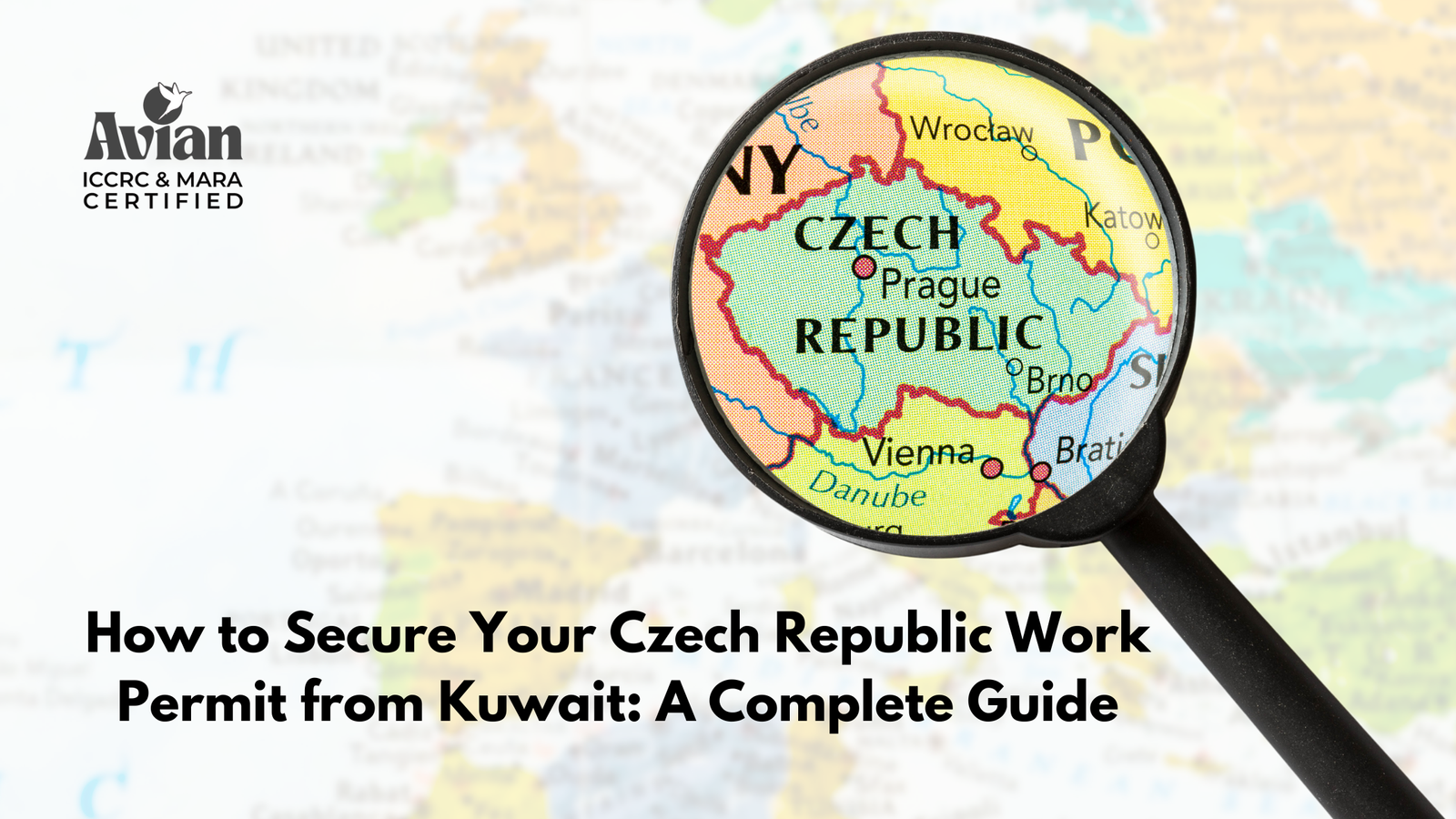
How to Secure Your Czech Republic Work Permit from Kuwait: A Complete Guide

The Czech Republic has quietly become one of Europe’s most attractive destinations for foreign workers. It offers stable job opportunities, competitive salaries, and the chance to live in the heart of Europe with Schengen access. For many professionals and workers in Kuwait, the idea of moving to the Czech Republic isn’t just about earning more, it’s also about building a future, exploring Europe, and securing better stability for themselves and their families.

But here’s the reality: getting a work permit in the Czech Republic can feel complicated if you don’t know the process. The paperwork, embassy visits, job requirements, it all stacks up quickly. That’s why having a clear step-by-step plan makes all the difference.

This guide will walk you through everything you need to know about securing your Czech Republic work permit from Kuwait.

Why Consider the Czech Republic?

Before we get into the “how,” let’s understand the “why.” Thousands of foreign workers choose the Czech Republic each year because:

  • Strong job market: The Czech economy consistently needs foreign workers, especially in industries like manufacturing, logistics, hospitality, IT, and healthcare.
  • Attractive salaries: While not the highest in Europe, wages are much stronger compared to many Asian and Middle Eastern countries.
  • Schengen access: Once you’re legally working in the Czech Republic, you can travel across 26 European countries without additional visas.
  • Pathway to permanent residence: After several years of living and working in the country, you can apply for long-term residence and eventually permanent residency.
  • Quality of life: Safe cities, good healthcare, strong public infrastructure, and a central location in Europe make it a comfortable place to live.

If you’re in Kuwait right now, the Czech Republic represents both opportunity and security.

Types of Work Permits in the Czech Republic

The Czech Republic offers different kinds of permits depending on your situation. The most common are:

  1. Employee Card
    This is the most typical option for foreign nationals. It combines both residence and work authorization into one permit. You need a job offer from a Czech employer before applying.
  2. Blue Card
    Designed for highly skilled workers, usually in fields like IT, engineering, or healthcare. It requires higher qualifications and a minimum salary threshold.
  3. Work Visa for Seasonal Jobs
    If you’re going for short-term, seasonal employment (like agriculture or tourism), this may be the right choice.

For most people applying from Kuwait, the Employee Card is the most realistic path.

Step-by-Step Guide to Securing Your Work Permit

Step 1: Find a Job Offer

Your first step is to secure employment with a company in the Czech Republic. Employers need to prove that they couldn’t fill the position locally, so they often rely on foreign recruitment.

Practical tip: Look at industries with high demand, such as hospitality, construction, logistics, or healthcare.

Step 2: Gather Required Documents

Once you have a job offer, you’ll need to prepare a set of documents for your work permit application. These usually include:

  • A valid passport (with enough remaining validity)
  • A signed employment contract or job offer letter
  • Proof of accommodation in the Czech Republic
  • Proof of qualifications (if the job requires them)
  • Criminal record clearance from your home country and from Kuwait
  • Passport-sized photographs meeting embassy requirements

Important: Documents not originally in Czech must be officially translated and sometimes apostilled.

Step 3: Submit Application at the Czech Embassy in Kuwait

In Kuwait, the Czech Embassy in Jabriya is where you’ll submit your work permit application. Make sure to book an appointment early, as slots can be limited.

When you apply, you’ll be submitting for both a residence permit and work authorization (if it’s an Employee Card). Embassy staff will check your documents, take biometrics, and guide you on the next steps.

Step 4: Wait for Processing

This part requires patience. Processing times for Czech work permits can take several weeks to a few months. On average, expect between 60 to 90 days.

During this period, the Czech Ministry of the Interior and labor office review your application, job offer, and background documents.

Step 5: Collect Your Visa and Travel

Once approved, you’ll receive a long-term visa to enter the Czech Republic. After arrival, you’ll need to visit the Ministry of the Interior within a set timeframe to collect your residence card.

This residence card is proof that you’re legally allowed to live and work in the Czech Republic.

Common Challenges Applicants Face

Securing a Czech work permit from Kuwait isn’t always straightforward. Here are the most common issues people run into:

  • Incomplete documentation: Missing or incorrectly translated documents are the top reason for delays.
  • Employer issues: If the employer hasn’t properly registered the job position with Czech authorities, your application may stall.
  • Delays in processing: Even when everything is perfect, bureaucratic delays happen.
  • Accommodation proof: Showing valid accommodation in the Czech Republic can be tricky if you don’t have a local connection.

The best way to avoid these setbacks is to double-check every requirement and, when possible, work with someone experienced in Czech immigration procedures.

Tips for a Smooth Process

  1. Start early: Appointments at the embassy fill up quickly, so don’t wait until the last minute.
  2. Get professional translations: Don’t cut corners here. Czech authorities are strict about official translations.
  3. Stay in touch with your employer: They’ll need to cooperate with the labor office, so keep communication open.
  4. Keep multiple copies: Always have extra sets of your documents and photocopies, it saves time.
  5. Be patient but persistent: Processing times can test your patience. Regularly follow up with the embassy to track your application.

Life After Arrival

Securing the work permit is just the beginning. Once in the Czech Republic, you’ll need to:

  • Register your accommodation with the local Foreign Police within three working days.
  • Get health insurance (sometimes covered by the employer, sometimes arranged by you).
  • Apply for tax registration if necessary.
  • Open a local bank account for your salary deposits.

Cultural adjustment is another part of the journey. The Czech Republic is welcoming, but learning basic Czech phrases and understanding local customs will help you integrate faster.

Final Thoughts

Moving from Kuwait to the Czech Republic for work is a big step, but with the right preparation, it can open doors to a stable and rewarding future. The key is knowing the exact process, gathering the right documents, and staying ahead of common challenges.

Your work permit isn’t just paperwork, it’s your ticket to better opportunities, European travel, and long-term stability. Many have already made the move successfully, and with the right guidance, you can too.

If you’re serious about starting this journey and want expert assistance in navigating the Czech Republic work permit process, you can reach out to Avian Global for support.

Why Hiring a Germany Work Permit Consultant in Kuwait Can Make or Break Your Visa Process

Deciding to work abroad is rarely a small step. For many professionals in Kuwait, the idea of moving to Germany isn’t just about better career prospects, it’s about building a stable life, securing financial growth, and opening doors to opportunities that simply aren’t available locally. But here’s the thing: while the dream feels exciting, the path to securing a German work permit can be overwhelming, confusing, and often unpredictable.

That’s where the role of a Germany work permit consultant comes in. Many people underestimate how complicated the visa process really is until they’re knee-deep in paperwork, deadlines, and embassy requirements. By then, even the smallest mistake can cost them months of delay, or worse, outright rejection.

So let’s break down why hiring a consultant in Kuwait could be the single most important decision you make in your journey to Germany.

The Complexity of Germany’s Work Visa System

Germany isn’t just another country when it comes to work permits. Their visa process is structured, detailed, and often unforgiving. Every document needs to be in order, every requirement must be met, and even one missing signature or mismatched date can jeopardize your application.

For example:

  • Your educational qualifications need to match Germany’s strict recognition standards.
  • Employers must often prove why they’re hiring a foreign national instead of a local.
  • Salary thresholds and job titles have to fit specific categories.
  • Even your health insurance and accommodation details can play a role in approval.

Now imagine trying to navigate all of this alone, while balancing your current job and family responsibilities in Kuwait. It’s easy to see how people fall into avoidable traps.

Common Mistakes Applicants Make on Their Own

Many applicants start out thinking, “I can handle this myself. It’s just paperwork.” And yes, technically it is, but it’s paperwork with life-changing consequences. Here are some of the most common mistakes people make:

  1. Submitting incomplete documentation – Missing one key paper like a legalized degree or translated employment contract can trigger an immediate rejection.
  2. Not understanding eligibility criteria – Not all professions qualify under Germany’s shortage occupation list, and people often apply without checking.
  3. Overlooking small details – Spelling inconsistencies between passports, contracts, and certificates might look minor, but they can flag your file.
  4. Missing deadlines – Embassies work on strict timelines. If you miss a submission window, you could be set back by months.
  5. Poor preparation for the embassy interview – Many candidates underestimate this step. A lack of confidence or unclear answers can raise doubts about your credibility.

Each of these mistakes might sound small, but in Germany’s highly structured system, they can make or break your future.

What a Consultant Brings to the Table

When you hire a Germany work permit consultant in Kuwait, you’re not just paying for guidance, you’re buying peace of mind and a smoother path forward. A consultant is someone who lives and breathes this process every day. They know the hidden pitfalls, the small nuances, and the embassy’s expectations.

Here’s how they can make the difference:

  • Personalized Assessment: Instead of guessing, a consultant evaluates your profile honestly and tells you whether you qualify, and under which category.
  • Document Accuracy: From notarization to translations, every paper is checked, verified, and aligned to German requirements.
  • Application Strategy: A good consultant won’t just push your file forward. They’ll structure it in a way that highlights your strengths and minimizes risk.
  • Time Management: Instead of wasting months figuring out what comes next, you’ll have a step-by-step timeline mapped out.
  • Embassy Preparation: Consultants coach you on how to approach interviews with confidence and clarity, ensuring you don’t stumble at the final hurdle.

Saving Time and Reducing Stress

Think about it: applying for a visa is already stressful enough. You’re balancing family discussions, resigning from your current job, financial planning, and the excitement of starting over. The last thing you want is to spend sleepless nights second-guessing whether you attached the right document.

A consultant takes that weight off your shoulders. Instead of living in constant doubt, you can focus on preparing yourself for the move, learning the language, researching the culture, or planning your relocation, while someone else handles the technicalities.

Why Local Expertise in Kuwait Matters

Some people wonder, “Why hire a consultant in Kuwait specifically?” The answer is simple: local consultants understand the process from both sides. They know how the German embassy in Kuwait operates, what timelines look like, and what kind of cases tend to face delays.

This local insight is invaluable. For example, a consultant in another country may not know that certain documents issued in Kuwait need extra authentication steps. But someone working here every day knows these details inside and out.

When the Stakes Are High, Guidance Matters

It’s worth pausing for a moment to think about what’s at stake. A work permit isn’t just a piece of paper, it’s your gateway to a new life. It affects your ability to bring your family, secure permanent residency, and eventually even apply for citizenship.

If your application is rejected because of avoidable mistakes, you’re not just losing time. You’re losing money, energy, and sometimes even your chance to try again quickly. In many cases, people who face rejection end up discouraged, even abandoning their dream altogether.

Hiring a consultant reduces this risk dramatically. It doesn’t guarantee approval, nobody can promise that, but it does maximize your chances by ensuring you meet every requirement correctly the first time.

Real Stories Highlight the Difference

Ask anyone who has been through the process, and you’ll often hear two kinds of stories.

One group will say: “I tried on my own, but I ran into endless delays. I kept being asked for new documents, and eventually my employer lost patience.”

The other group will say: “I worked with a consultant who guided me through everything. Yes, it cost me a service fee, but I got my visa approved on the first try and avoided months of stress.”

The difference is clear. It’s not about intelligence or capability, it’s about expertise, timing, and knowing exactly what the authorities want.

The Final Word

Moving to Germany for work is one of the most rewarding decisions you can make, but it’s also one of the most complex. The visa process is unforgiving, and the margin for error is slim. While some people manage to succeed on their own, many find themselves stuck in frustrating cycles of rejections and delays.

Hiring a Germany work permit consultant in Kuwait isn’t about taking the easy way out. It’s about making a smart, strategic choice that saves you time, reduces stress, and gives you the best possible shot at approval. After all, when your future is on the line, why take chances with something so important?

If you’re serious about working in Germany, consider working with professionals who know this path inside out. Companies like Avian Global have helped countless people in Kuwait turn their dream into reality, proving that with the right guidance, the journey doesn’t have to be overwhelming.

Hungary Work Permit from Qatar: Complete 2025 Guide for Job Seekers

Embarking on the journey to secure a work permit for Hungary while residing in Qatar can feel like navigating a winding path: exciting, promising, but also filled with unfamiliar steps. This guide aims to walk you through each essential stage of the process, offering clarity, empathy, and practical advice as you chase your professional aspirations in Hungary’s vibrant economy.

1. Why Consider Working in Hungary?

Hungary sits at the heart of Central Europe, offering a unique blend of rich history, dynamic culture, and growing economic opportunities. Its capital, Budapest, is famed for its architectural beauty, thermal baths, and a thriving startup scene. Internationally oriented sectors, like IT, engineering, life sciences, and tourism, have seen increasing demand for skilled professionals. For job seekers in Qatar, especially those seeking new horizons, Hungary presents a compelling chapter.

2. Role of Avian Global

Navigating immigration and work permits can feel overwhelming, especially when juggling job search, visa complexities, and relocation logistics. That’s where Avian Global steps in. With expertise in immigration services and tailored consultancy, the company guides professionals from Qatar through the entire Hungary work permit process. Their deep understanding of both Hungarian regulation and Qatar-based applicants makes them a valuable ally.

3. Overview: Hungary Work Permit Basics in 2025

Before diving into the “how,” let’s briefly touch on the “what.” In Hungary, the work permit typically comes as a combined Hungary Work Permit from Qatar, sometimes referred to as a “work visa.” It permits non-EU/EEA nationals, like Qatari residents, to live and work legally in Hungary.

Key attributes in 2025:

  • Validity: Often issued for up to one year, renewable.
  • Employer-bound: Tied to the specific job and Hungarian employer who applies.
  • Entry requirement: Applicants must first secure a job offer before applying.
  • Processing: It involves both a work permit application and a residence permit, with some consolidation possible depending on the Hungarian authorities’ administrative setup.

4. Step-by-Step Process for Applicants in Qatar

Below is a structured pathway, helping job seekers understand what to expect:

Step 1: Job Search & Offer from Hungary

Start by finding Hungarian employers willing to onboard international talent. Online job boards, LinkedIn, company websites, and industry forums are key. Avian Global can help you narrow down employers who frequently recruit from Qatar or other non-EU markets and assist in framing your application to stand out.

Once you receive a legitimate job offer, detailing job title, salary, start date, and contract duration, that constitutes the essential first stone in building the application.

Step 2: Employer Prepares Application

Your future Hungarian employer plays a pivotal role. They must:

  • Apply for a work permit on your behalf, submitting necessary paperwork to the relevant Hungarian authorities.
  • Demonstrate that the position couldn’t be filled by an EU/EEA candidate or that you’re uniquely qualified.
  • Provide signed employment contract and other supporting documents.

Avian Global often supports employers to ensure applications are accurate and compelling, reducing the chance for delays or rejections.

Step 3: Submission from Qatar – Work & Residence Permit

Once the work permit is granted, you, in Qatar, submit your residence permit application at the nearest Hungarian diplomatic mission (embassy or consulate). This usually involves:

  • Filling out an official residence visa form.
  • Attaching the issued work permit and job contract.
  • Providing passport-sized photos, your current passport, proof of accommodation in Hungary, and health insurance valid from entry date.
  • Possibly demonstrating finances to support your stay and travel itinerary.

Step 4: Processing Time & What to Expect

Typically, it can take anywhere from 4 to 8 weeks for visa processing, depending on workload and specifics of the case. The timeline may vary in 2025 depending on Hungarian immigration capacity and diplomatic post resourcing; Avian Global stays updated on such fluctuations and advises accordingly.

Step 5: Entry and Registration in Hungary

After your visa is approved, you gain permission to travel to Hungary. Upon arrival, you’ll need to register with the Immigration Office or local authorities within a short period (often within 90 days of entry). They issue your official residence card, a key legal identity document for your stay.

Avian Global generally guides clients through scheduling that appointment, documents to bring, and what you can expect during the registration visit to smoothen your transition.

5. Top Tips and Human Insights

Navigating immigration can feel daunting. Remember, you’re not alone, each form, appointment, or unexpected request simply brings you closer to your new life chapter.

  • Plan thoughtfully: Submit applications early and keep track of deadlines, especially if you have a target start date.
  • Be precise: Ensure all documents are accurate, properly translated (where required), and consistently reflect personal data.
  • Leverage help: Having experts like Avian Global means you benefit from proactive updates, clear guidance, and problem-solving help, saving you stress.
  • Keep personal connection: A friendly voice, a timely prompt, and answers from someone who understands your anxieties make all the difference. That’s part of what “human touch” means: caring about your journey, not just your paperwork.

6. Common Pitfalls to Avoid

  • Incomplete paperwork: Missing signature, wrong translation, inconsistent details, all are common reasons for delays.
  • Unrealistic timing: Don’t book non-refundable travel before your visa is officially approved.
  • Underestimating costs: Budget for application fees, appointment costs, health insurance, translations, and unexpected extras.
  • Cultural gaps: Familiarize yourself with Hungarian workplace norms; it shows respect and adaptability.

With Avian Global by your side, these hurdles are navigable, so you can focus on landing your job and preparing for your new home, not chasing paperwork.

7. Life in Hungary as a Working Expat

Once all formalities are complete, characterize your new chapter:

  • Everyday life: Budapest offers efficient public transit, multilingual environments, cultural richness, and welcoming international communities.
  • Language: While Hungarian dominates, many employers and expat networks operate in English. Learning basic Hungarian helps in daily errands and building personal bonds.
  • Cost of living: Generally lower than Western Europe, with affordable housing (especially outside of central districts), reasonably priced grocery and services, and excellent healthcare.
  • Work culture: Punctuality, direct communication, and a balanced approach to work and social life are valued.

8. Renewals and Long-Term Prospects

Your residence permit allows renewals, provided you maintain employment and continue to meet legal conditions. Hungary also offers long-term residence status for expats who stay legally for multiple years and meet integration criteria. Some sectors, like engineering, research, IT, also offer pathways to permanent residence or EU Blue Card opportunities.

Avian Global stays in touch beyond your initial permit: they can assist with renewals, permanent status applications, or even family reunification support if your loved one’s plan to join you later.

9. Final Thoughts

Making a move halfway across the globem starting a new career in Hungary while in Qatar, is both bold and life-affirming. The road may have unexpected turns, yet each step brings you closer to an exciting, enriching chapter. With the expert support of Avian Global, comprehensive preparation, and the clarity provided in this guide, your journey is grounded and well-guided.

Remember: every document filed, every appointment kept, and every thoughtful decision is a testament to your courage and vision. Hungary awaits, with open streets, hopeful workplaces, and a rewarding way of life.

  • Let us call you
    Contact Form