

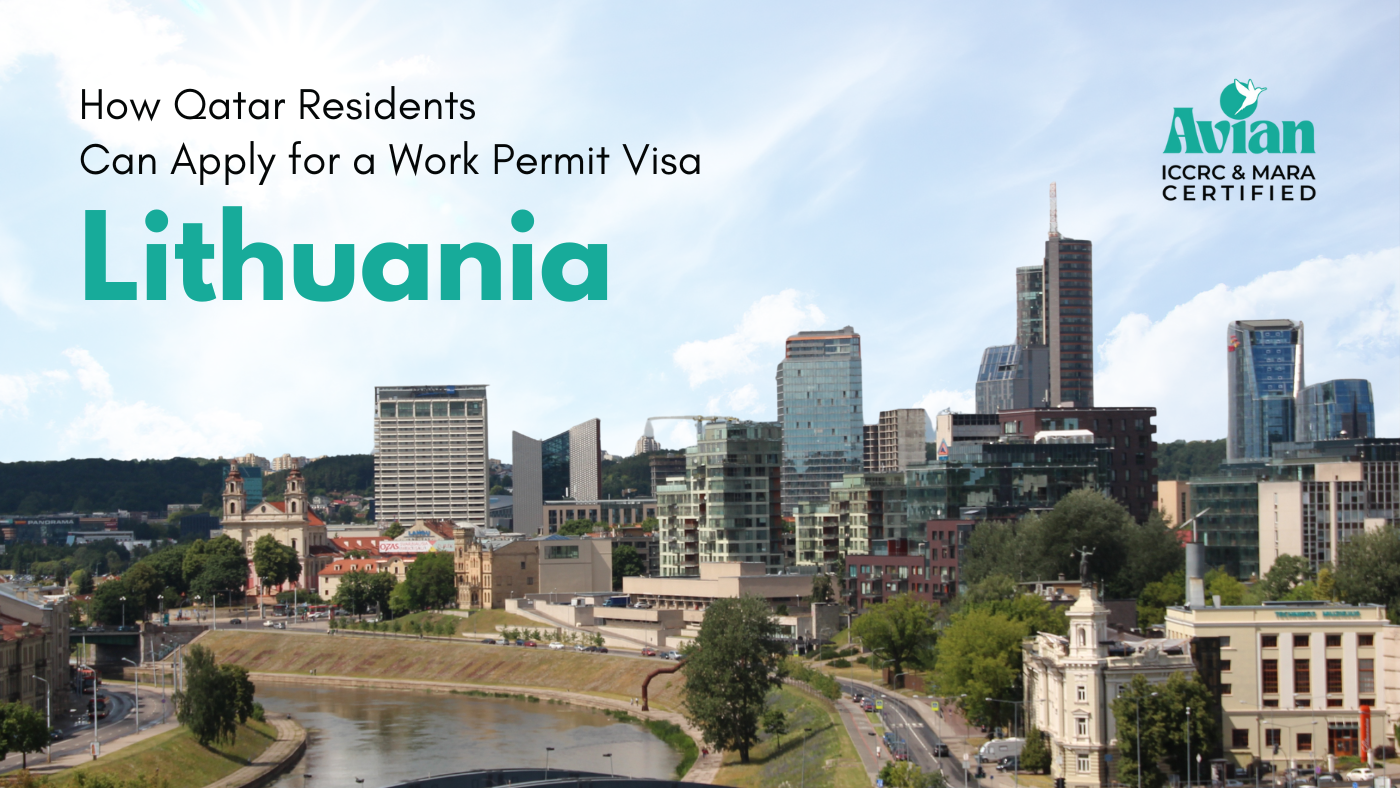
Lithuania, a beautiful Baltic nation known for its growing economy, scenic landscapes, and strong EU presence, is becoming an increasingly attractive destination for professionals seeking overseas career opportunities. For Qatar residents, applying for a Lithuania work permit visa can open the door to new experiences, better career prospects, and the chance to live and work in a vibrant European country.
If you’re living in Qatar and dreaming about working in Lithuania, this guide will walk you through every step, from understanding the basics of work permits to preparing your application and settling into your new life abroad.
Why Lithuania?
Before diving into the process, it’s worth understanding why Lithuania stands out. Over the past decade, the country has emerged as a hub for technology, manufacturing, finance, and logistics. Its strategic location in Europe makes it ideal for international trade, and its quality of life is considered among the best in Eastern Europe.
For workers from Qatar, Lithuania offers:
- Access to the EU job market – Once you’re in Lithuania, you can explore opportunities across Europe.
- Competitive salaries – Especially in skilled trades, IT, and engineering.
- Safe and family-friendly environment – Ideal for those looking to relocate with loved ones.
- Cultural diversity – Lithuania embraces international workers, making integration smoother.
Step 1: Understanding the Lithuania Work Permit
A Lithuania work permit is an official authorization allowing a foreign national to work legally in the country. In most cases, your employer will initiate the application process on your behalf.
There are two main types of work-related visas for Lithuania:
- Work Permit + National Visa (D-type) – This is the most common route for non-EU residents. You first get a work permit, then apply for a long-term visa to enter Lithuania.
- EU Blue Card – For highly skilled professionals with higher qualifications and salaries above the national average.
For Qatar residents, the process typically starts with securing a job offer from a Lithuanian employer.
Step 2: Finding a Job in Lithuania
The first and most important step is securing employment. Without a job offer, you cannot apply for a Lithuania work permit. Here are some tips to help you land a job from Qatar:
- Use official job portals – Websites like EURES, CV-Online, or Lithuania’s Public Employment Service list thousands of vacancies.
- Target sectors with high demand – IT, healthcare, engineering, manufacturing, and skilled trades are currently in demand.
- Network online – LinkedIn connections with Lithuanian employers or recruitment agencies can be valuable.
- Work with licensed recruitment agencies in Qatar that have ties to European employers.
Once you secure a job, your employer becomes a crucial partner in your work permit process.
Step 3: Employer’s Role in the Application
After offering you a position, your Lithuanian employer must:
- Submit an application for a work permit to the Lithuanian Labour Exchange (Employment Service).
- Provide evidence that no suitable candidate from Lithuania or the EU was available for the role.
- Prepare necessary documentation for the immigration authorities.
This process usually takes up to two months, so it’s important to start early.
Step 4: Your Documents Checklist
As a Qatar resident applying for a Lithuania work permit visa, you will typically need:
- Valid passport (with at least 6 months validity beyond intended stay).
- Completed visa application form.
- Passport-size photos (as per Lithuanian specifications).
- Signed employment contract.
- Work permit approval from the Lithuanian authorities.
- Proof of qualifications (degree, diploma, or vocational certificates).
- Proof of work experience (letters from past employers).
- Medical insurance covering your stay in Lithuania.
- Police clearance certificate from Qatar.
- Proof of sufficient financial means (if required).
All non-English or non-Lithuanian documents must be translated and legalized.
Step 5: Applying for the Visa in Qatar
Once your work permit is approved, you need to apply for a D-type national visa at the Embassy of Lithuania or, if there is no Lithuanian embassy in Qatar, through an embassy representing Lithuania in visa matters (often the Embassy of Latvia or another EU member state in the region).
The application steps:
- Book an appointment at the embassy or visa application center.
- Submit your documents and biometrics (fingerprints and photograph).
- Pay the visa fee – This is generally around €120, but check with the local embassy for updates.
- Attend the visa interview – You may be asked about your job, employer, and plans in Lithuania.
- Wait for processing – Visa decisions typically take 15–30 days after submission.
Step 6: Traveling to Lithuania
Once your visa is approved, you can book your flight to Lithuania. Upon arrival:
- You may need to register your address with the Migration Department.
- If your visa is valid for more than 90 days, you must apply for a Temporary Residence Permit within Lithuania.
Step 7: Settling In
Moving to a new country is exciting but also comes with challenges. Here are some tips to make your transition smoother:
- Housing – Start searching online for rentals before you arrive. Websites like aruodas.lt list apartments across cities.
- Bank Account – You’ll need a Lithuanian bank account for salary deposits.
- Social Insurance – Register with the Social Security system for healthcare and benefits.
- Language – While English is common in workplaces, learning basic Lithuanian can help you integrate faster.
- Community – Join expatriate groups on social media to connect with other Qatar residents and international workers.
Common Challenges & How to Overcome Them
1. Document Legalization
Qatar-issued documents must be attested by the Ministry of Foreign Affairs in Qatar and then legalized by the Lithuanian authorities.
2. Delays in Processing
Start your application process at least three months before your intended travel date to avoid last-minute stress.
3. Cultural Adjustment
Lithuania’s climate, culture, and work practices differ from Qatar’s. Being open-minded and adaptable will help.
Tips for a Successful Application
- Keep copies of all documents.
- Follow embassy instructions carefully to avoid rejection.
- Communicate regularly with your employer during the process.
- Double-check translations to ensure accuracy.
- Plan your finances for the first few months, as salary payments might not come immediately.
Final Thoughts
Applying for a Lithuania work permit visa as a Qatar resident may seem complex at first, but with careful planning and the right guidance, it’s entirely achievable. The key is securing a legitimate job offer, understanding the documentation process, and starting your application early.
Avian Global offers a wealth of opportunities for those willing to embrace a new environment. Whether you’re looking to advance your career, support your family, or experience life in Europe, this could be the first step toward a brighter future.
Remember, every application is unique, and your circumstances might require additional steps. Always verify the latest requirements with the Lithuanian embassy or an authorized visa center in Qatar before proceeding. With the right preparation, your Lithuanian work journey can be the start of an exciting new chapter in your life.